Engineering
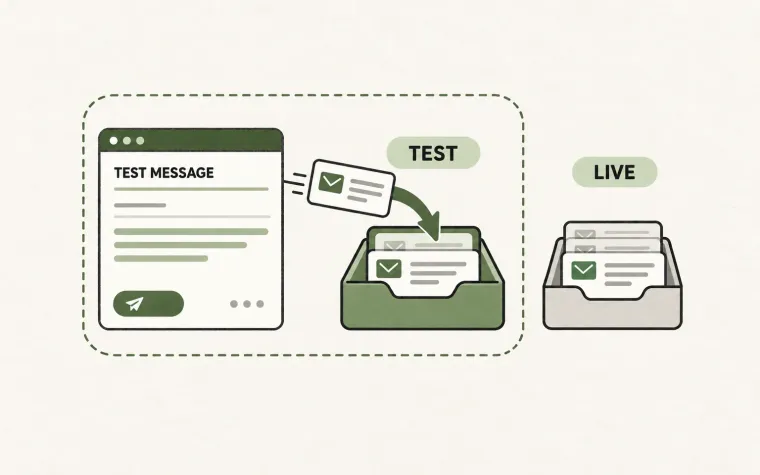
How to Test Email in Staging Without Sending to Real Customers
Build an email testing workflow with captured messages, recipient allowlists, simulated failures, and controlled inbox checks before a production release.
From the first API call to the inbox. Practical guides for the people building what happens in between.
20 articles
Build an email testing workflow with captured messages, recipient allowlists, simulated failures, and controlled inbox checks before a production release.
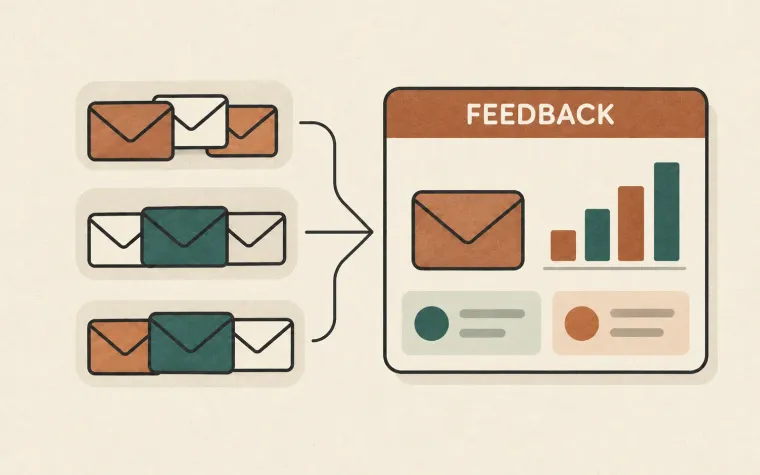
Understand what APRF proposes for aggregate email feedback, its current draft status, and how to evaluate future reports without overstating their coverage.
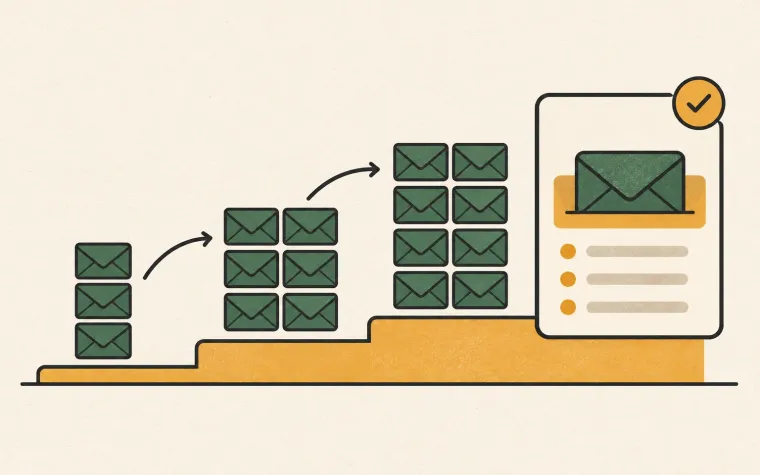
Plan an email volume increase with recipient cohorts, clear pause criteria, authentication checks, and a rollout record your engineering team can actually use.
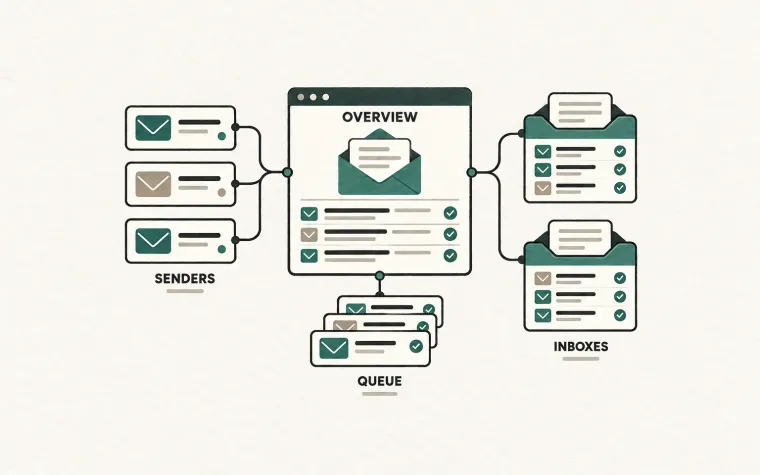
Create a useful email infrastructure inventory that connects applications, domains, credentials, event consumers, and owners to faster incident diagnosis.
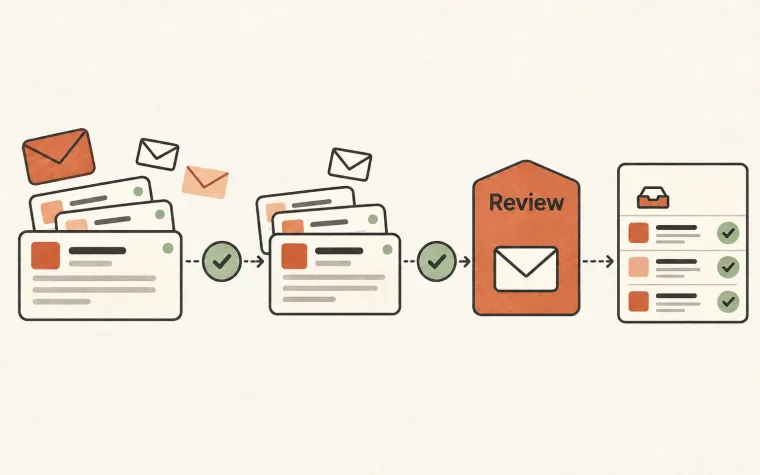
Build email operations that combine repeatable diagnostics with controlled changes, clear action plans, scoped credentials, and useful audit records for teams.
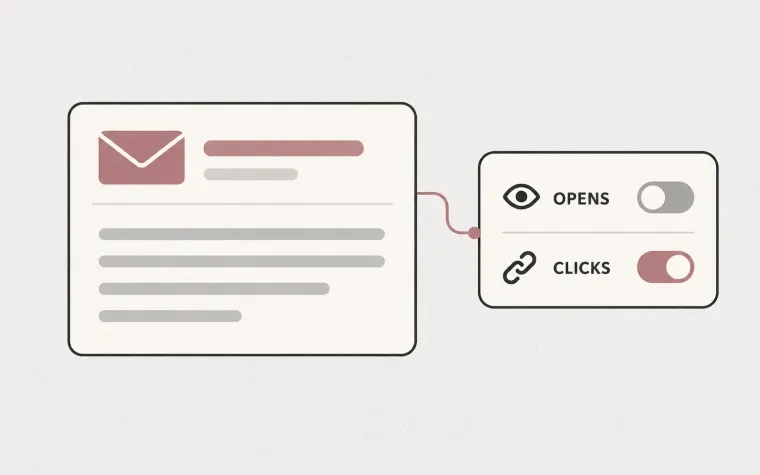
Turn email tracking preferences into enforceable application behavior across scheduled sends, templates, provider settings, event processing, and reporting.
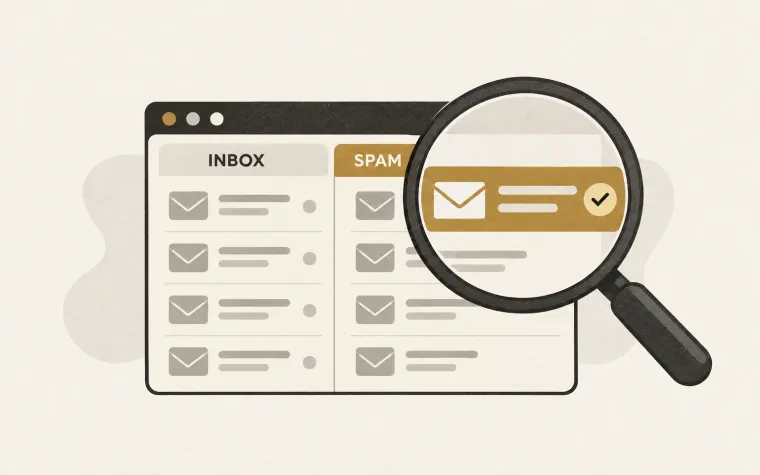
Trace a missing Gmail message from provider acceptance to the mailbox, using message IDs, recipient checks, authentication evidence, and focused escalation.
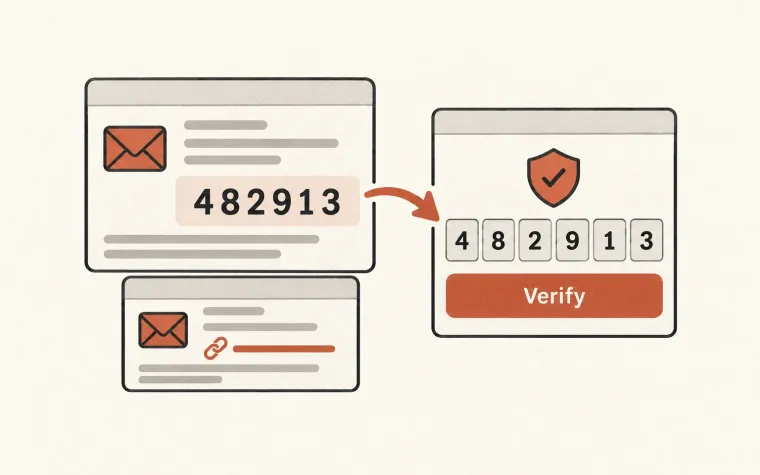
Choose an email verification flow that handles multiple devices, delayed messages, expired tokens, and browser experiments without leaving new users stranded.
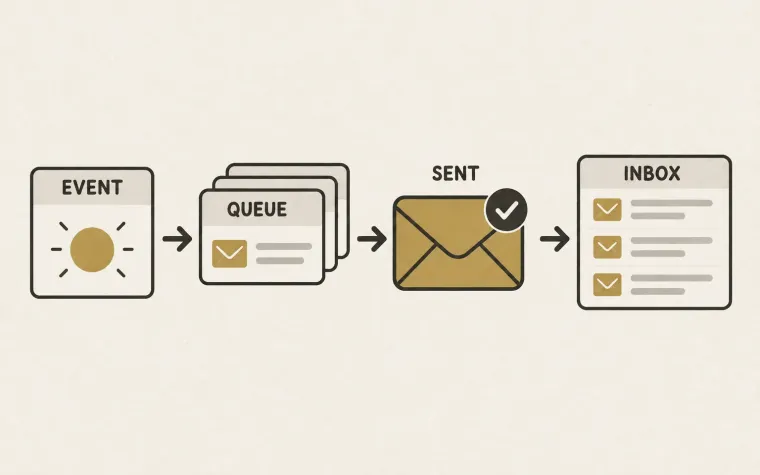
Build a product-event email pipeline with durable message intent, current eligibility checks, expiry rules, safe retries, and an auditable path to delivery.
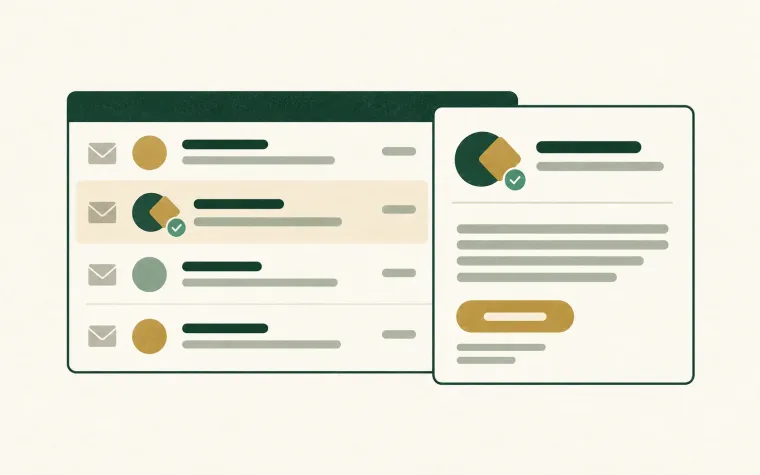
Compare Apple Branded Mail and BIMI, prepare authentication and brand assets, and build a practical test plan for inbox logos across your sending domains.
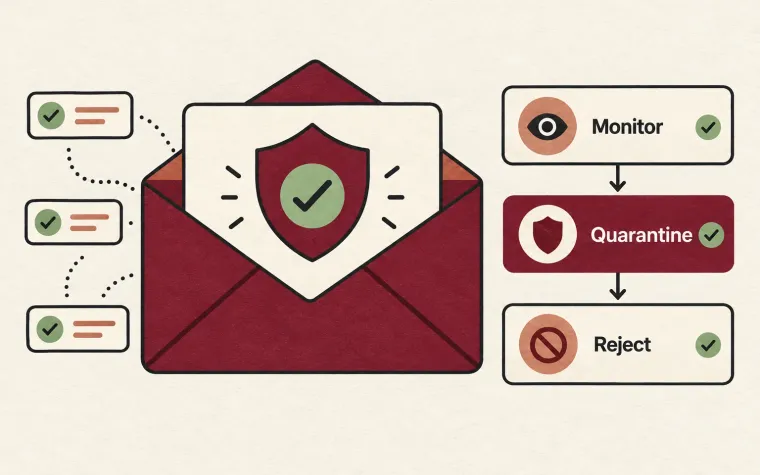
Roll out DMARC with a sender inventory, alignment checks, report reviews, and a rollback plan, with practical notes on the updated 2026 specification.
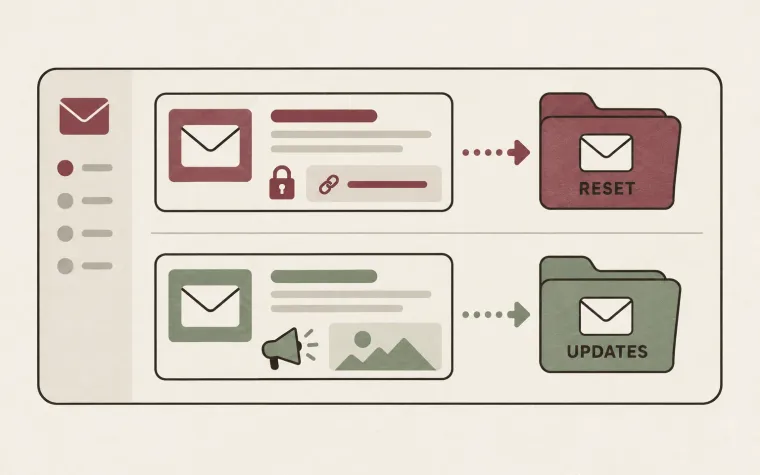
Separate urgent account messages from marketing email with practical rules for queues, identity, preferences, monitoring, and ownership as your app grows.
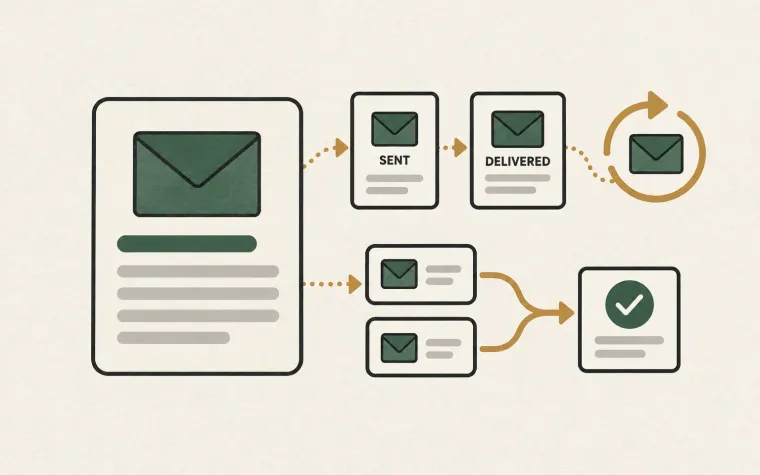
Design an email webhook receiver that verifies requests, stores events safely, handles duplicates, and recovers failed processing without losing history.
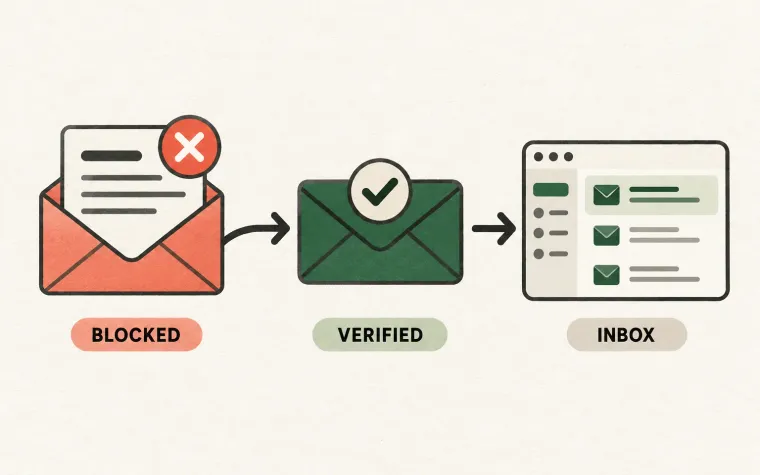
Work through a domain or IP blocklist incident with evidence: confirm delivery impact, contain the cause, coordinate removal, and verify a controlled recovery.
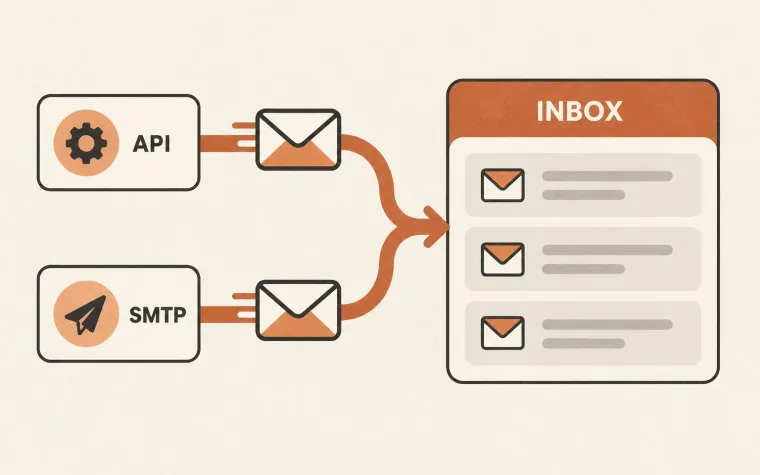
Choose between an email API and SMTP by comparing your application, failure handling, debugging, and migration needs with a practical engineering checklist.
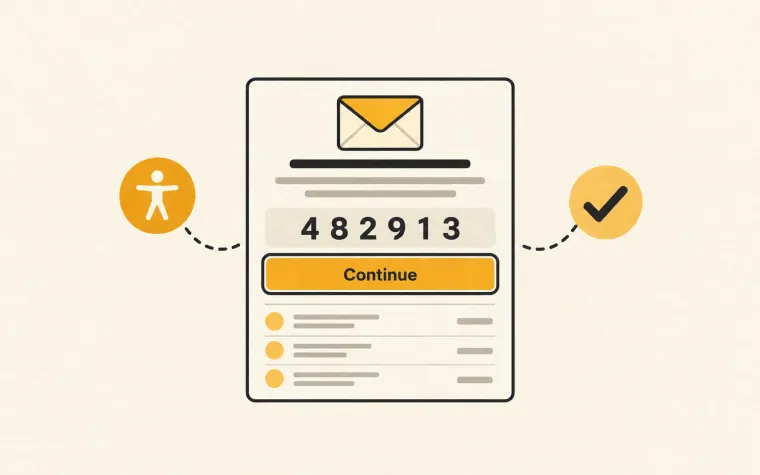
Improve transactional email accessibility with practical checks for readable codes, useful links, receipt tables, screen readers, and images that fail to load.
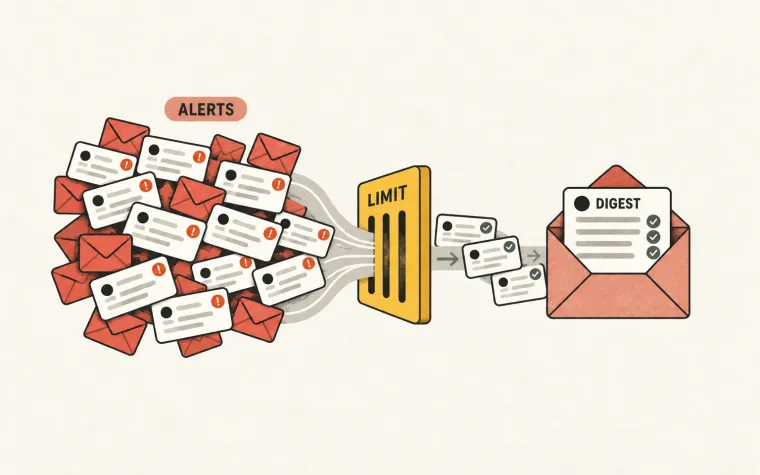
Prevent one noisy application event from flooding inboxes with a practical design for notification identity, shared budgets, cooldowns, expiry, and recovery.
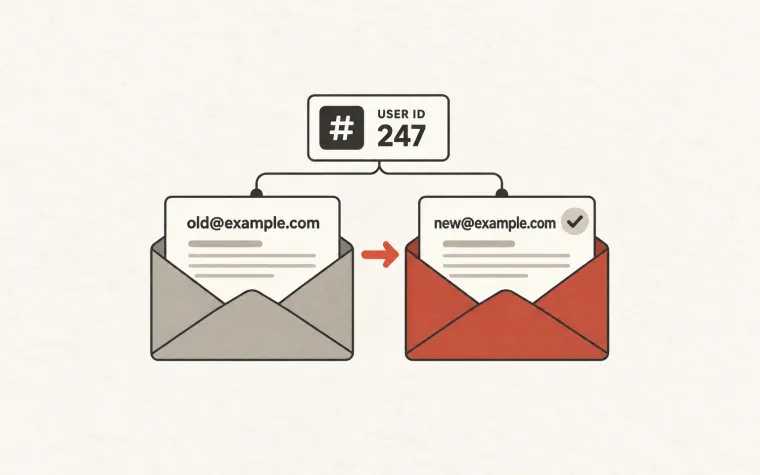
Separate account identity from email addresses so changes preserve access, preferences, and delivery history without duplicate messages or unsafe account merges.
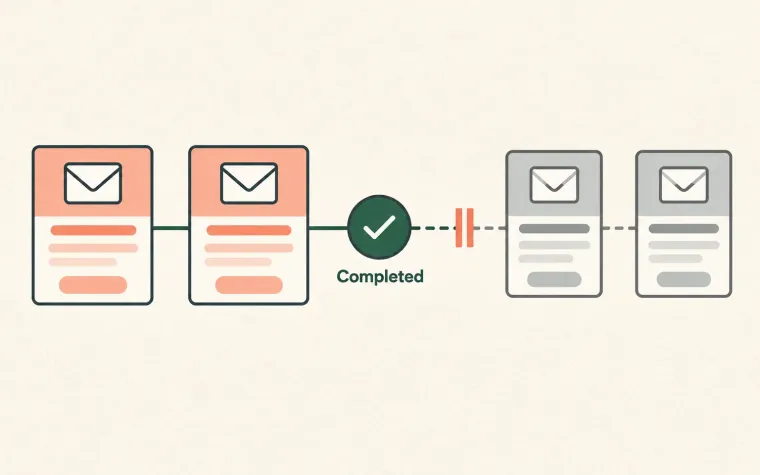
Design onboarding email flows with clear entry rules, fresh eligibility checks, duplicate protection, and exit conditions that respect what users already did.
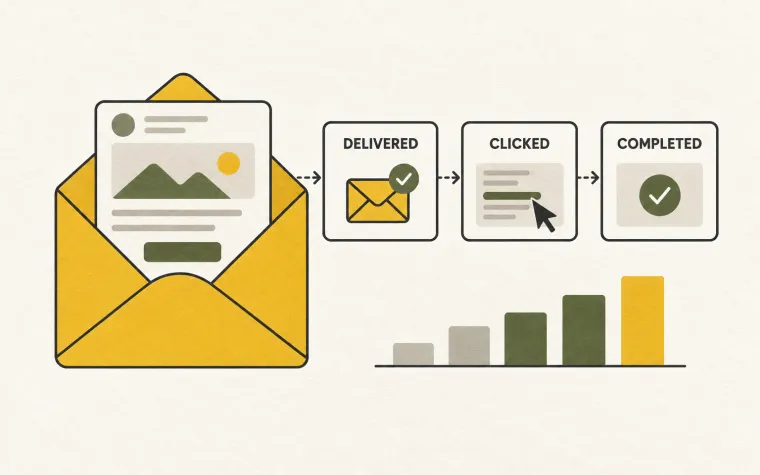
Measure whether email helps users finish tasks with clear delivery stages, cohort-based completion rates, latency, resend demand, and actionable failure signals.
Try another search or explore all topics.
Connect your application with SendMero’s email API or SMTP.